
Top Things to Do in Palo Alto
12 must-see attractions and experiences
Palo Alto runs on two engines. Stanford University's intellectual gravity pulls one way. Tech ambition hums beneath the tree-lined streets, pulling the other. Visitors won't find a typical American downtown here. Instead, Spanish Revival architecture sits beside sleek corporate campuses. Native oaks and towering palms shade both. The air carries eucalyptus from university foothills. Rich espresso drifts from sidewalk cafes. Bicycles whir on dedicated paths. That is the soundtrack. Understanding Palo Alto means accepting its split personality. It is a serene residential community. It is also the historic epicenter of Silicon Valley. First-timers should expect a subdued, almost studious atmosphere. Coffee shop conversations turn to venture capital and prototyping. Green spaces are curated as carefully as software code. The climate stays temperate. Dry summers bring golden hills and fog-kissed mornings. Mild, rainy winters turn surrounding preserves a busy green. Accommodations range from business hotels near Stanford to intimate spots closer to the walkable downtown core along University Avenue. Dining reflects global, health-conscious sensibility. Artisanal pizza. Complex tasting menus. The city isn't coastal, but safety and order are pronounced. Well-lit streets. Active community policing. The pace is deliberate. The best experiences involve stepping onto Stanford's campus or into its preserves. That is where you grasp the local character.
Hand-Picked Experiences in Palo Alto
The best of every kind, whatever you're in the mood for
Day Trips Further Afield
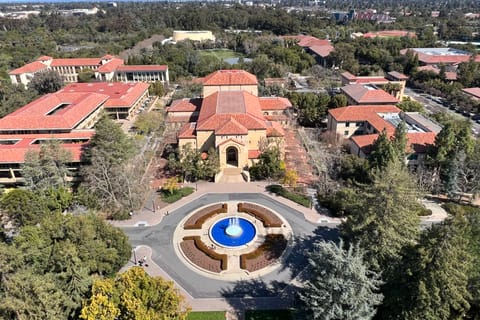
From San Francisco: Silicon Valley Private Tour
A private tour from san francisco to discover silicon valley.
Insider tip Check out campuses and take a walk at stanford.
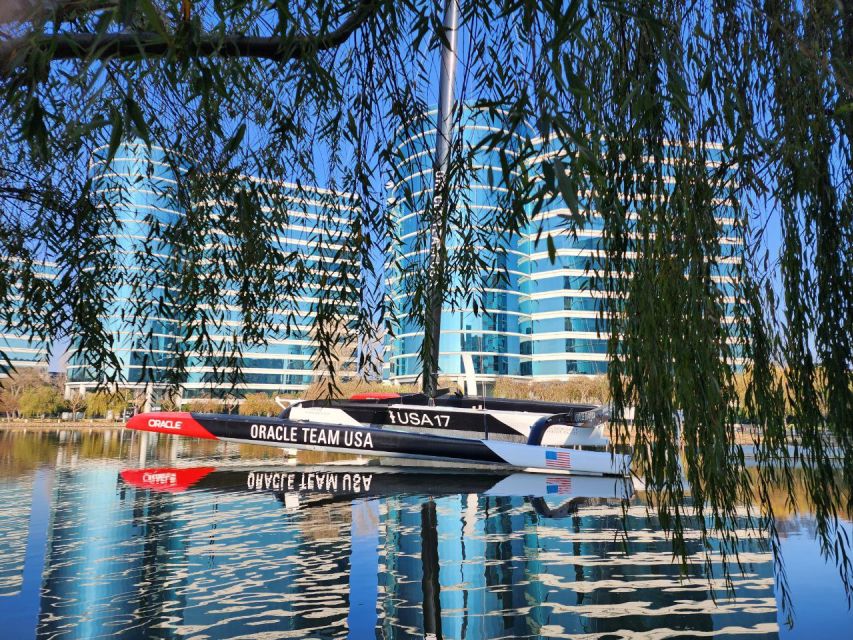
From San Francisco: Private Tour to Silicon Valley
A private tour from san francisco to Discover Silicon Valley.
Insider tip Check out campuses and take a walk at Stanford.
More to Explore
Even more of the best of Palo Alto

San Francisco: Silicon Valley Private Tour with Hotel Pickup
Private TourPickup starts at your San Francisco hotel. Comfortable vehicle. Direct transport to Silicon Valley's heart. Your guide narrates the evolution of Apple and Google. You'll see unassuming office parks and global headquarters. These are modern monuments. Stories of startup culture and technological breakthroughs follow. They changed daily life.

San Francisco: Silicon Valley Private Tour with Transfers
Private TourThis service combines guided tour with door-to-door transfers from San Francisco. Practical convenience. The focus stays on sites, not logistics. You'll feel the smooth ride down the highway. Salt flats of the bay pass by. Then shaded avenues of Palo Alto arrive.
Cantor Arts Center at Stanford University
Museums & GalleriesThe Cantor Arts Center at Stanford University houses an astonishing collection. Continents and centuries span its galleries. Ancient Asian bronzes. Modern American paintings. All within a grand, columned building. You'll see luminous glow from well-known stained-glass windows by Diego Rivera. Cool marble floors underfoot as you move between galleries.
Magical Bridge Playground
Notable AttractionsMagical Bridge Playground is a revolutionary community space. Fully inclusive and accessible. Children of all abilities hear laughter and music from integrated instruments. They feel textures of various tactile panels. Whimsical structures include a two-story treehouse. A safe, cushioned hillside slide. Pure joy in landscape form.
Windy Hill Open Space Preserve
Natural WondersWindy Hill Open Space Preserve offers swift escape. Rolling golden grasslands and oak woodlands of the coastal range. Feel steady, cool breeze on your face. Hear rustle of long grasses as hawks circle overhead. The summit trail reveals sweeping view of the entire San Francisco Bay. Patchwork of green, blue, and urban grey.
Pulgas Water Temple
Notable AttractionsPulgas Water Temple is a serene, unexpected classical monument. White stone rotunda stands proudly where crystal-clear water from the Sierra Nevada emerges after a long journey. You'll see sun dappling on the reflecting pool. Hear powerful yet soothing rush of water from outlet pipes. Smell damp stone and moss in the enclosed garden.
Elizabeth F. Gamble Garden
Natural WondersElizabeth F. Gamble Garden is a meticulously maintained historic estate garden. It feels like a secret within a residential neighborhood. Smell heavy perfume of blooming roses and gardenias. Feel dappled shade of ancient wisteria vines. Themed gardens include a cutting garden and a serene Japanese-style section. Colorful, fragrant vignettes sequence throughout.
Rodin Sculpture Garden
Museums & GalleriesThe Rodin Sculpture Garden sits outside the Cantor Arts Center. Open-air gallery. Twenty bronze works by Auguste Rodin. The Gates of Hell. The Burghers of Calais. Live oak trees and garden beds surround them. You'll see play of sunlight and shadow on textured metal surfaces. Feel contemplative silence surrounding these powerful figures.
Pearson-Arastradero Preserve
Natural WondersPearson-Arastradero Preserve is vast. Rolling grasslands, serene ponds, oak woodlands. You might hear the call of a red-tailed hawk. See tall, dry grasses shimmering in the sun. Multi-use trails invite long walks or bike rides. Open space and isolation feel palpable. Minutes from city limits.
Redwood Grove Nature Preserve
Natural WondersRedwood Grove Nature Preserve is a small, memorable pocket of land along San Francisquito Creek. Short loop trail winds through a grove of coast redwoods. Towering trunks create cool, hushed canopy. You'll smell rich, damp earth and decaying redwood duff. Feel temperature drop noticeably. Hear gentle babble of the creek alongside the path.
Planning Your Visit
Practical tips for getting the most out of Palo Alto
Explore more experiences in Palo Alto
Browse live availability and pricing.
Didn't see anything interesting yet?
Browse Viator's full catalog of tours, day trips, food experiences, and private guides in Palo Alto.
See All Palo Alto Tours on ViatorReady to plan your trip to Palo Alto?
Now that you've got the research covered, here's where to go next.